

 Calculate Revenue
 Research Markets
 Find For Sale Properties
 Compare My Listing
 STR Revenue Calculator
 Custom Comp Sets
 Submarket Insights
 Custom Search Filters
 Rate Recommendations
 Performance Benchmarking
 Competitor Comparison
 Owner Contact Details
 Property-level performance data
 Tourism Insights
 Real Estate Investment Analytics
 About Us
 Sales
 Support
 Press
Best Loans for Short-Term Rental Investment Properties
Published: May 22, 2024
Last updated: September 25, 2026

Bram Gallagher
Key Takeaways
- Investment property loans can be facilitated through banks, private lenders, or even crowdsourcing platforms.
- Unlike standard residential mortgages, some investment property loans consider the property's income-generating potential, giving investors more options.
- Investors must consider equity requirements, down payment standards, and interest rates when choosing a loan.
The right financing can unlock real estate investment opportunities for aspiring short-term rental (STR) hosts.
Traditional financing often falls short for those in the STR market. In contrast, investment property loans offer the distinct benefit of considering the property's income-generating potential—a golden ticket for savvy real estate investors.
However, not all investment property loans are created equal. You must carefully choose the right one that aligns with your specific goals and market conditions. We've compiled a list of the best loan types for investment properties, whether you're new to the rental market or looking to expand your portfolio.
What Is an Investment Property Loan?
An investment property loan is a financing option specifically designed to fund the purchase or improvement of properties intended for investment, including short-term rentals. STR loans specifically might have restrictions around what type of properties are eligible, as well as limits on how often the property can be used as a primary residence.
Standard residential mortgages are primarily based on the borrower's financial situation and creditworthiness. Investment property loans, however, also consider the property's income-generating potential. This allows investors to explore a wider array of property loan options.
What Makes a Loan Good For Investment Properties?
The right financing option for you depends on your unique situation. Because the relevancy of each investment loan depends on your financial situation and your goals, we’ve avoided a ranked list for loan options.
Instead, we’ve broken out loan options into three loose categories: most common overall, house-hacking loans, and loans for borrowers with existing property.
When determining whether a loan option is “good” for you, consider these questions:
How soon do you want to leverage the property as a short-term rental?
Some loans require the borrower to use the property as a primary residence for at least a year before renting it out. If you’re willing to play the long game with your investment, then this restriction might not be a dealbreaker.
Investors can also choose to “house hack” with these loans, pursuing multi-family properties where one unit serves as their primary residence while the other units are immediately rented out for income.
If you want an immediate return on your investment AND you already have a primary residence, then house-hacking loans probably aren’t a good fit for you.

How is your financial health?
Different loans have different standards for borrower financial standing and savvy. On a basic level, your credit score will impact your eligibility to varying degrees depending on the loan. On a more nuanced level, your history and/or expertise around property management and real estate investment—or lack thereof—can influence your eligibility and the terms of the loan.
What type of property am I looking for?
The property–how it fits into your investment portfolio, its state of repair, and what market it’s located in–informs your ideal loan and which loan terms make the most sense for you.
- Do you have existing property equity? Are you a first-time home buyer or is this your fourth or fifth real estate investment?
- Are you on the hunt for a fixer-upper or are you eyeing property that has a track record as a successful short-term rental?
- Are you looking to buy in a market where the revenue potential can support a short repayment period or high interest rates?
These are just a few of the questions to ask yourself as you consider different loan types. The variety of financing options available to investors, especially in the STR market, is broader than you might even realize. Each loan type caters to distinct financial situations, investment goals, and property potentials. More choices means that investors are empowered to find the loan that best fits their circumstances, maximizing their opportunities in the STR market.
Most Common Loans for STR Investment
Conventional Mortgage Loans
Conventional mortgage loans emphasize the borrower's financial stability as a key factor. Not all lenders will offer a conventional mortgage for short-term rental properties, so make sure to do your homework.
They typically require a minimum credit score of around 620 for eligibility. Conventional loans also demand a more substantial down payment, usually starting at 15%. A 20% or higher down payment eliminates the need for Private Mortgage Insurance (PMI). PMI is required when down payments are below 20%, serving as a safeguard for lenders in case of default.
Conventional mortgage loan terms are typically 15, 20, or 30 years. While shorter-term loans generally result in higher monthly payments, they also usually benefit from lower interest rates.
According to AirDNA analysis of Mortgage News Daily data, there has been a 0.8% increase in mortgage rates over the past year alone. In light of this, adopt a well-thought-out financial strategy that considers both the cost of borrowing and market conditions.
Ideally Suited For:
- Investors Prioritizing Stability: Conventional loans are ideal for those seeking predictable payment schedules, especially with fixed-rate options.
- Long-Term Planning: Investors planning for the long haul might prefer conventional loans for their consistent terms and the potential to build equity over time.
Key Considerations:
- Higher Entry Requirements: The more demanding credit and down payment standards can be a barrier for some investors.
- PMI Additional Costs: PMI requirements for lower down payments add an expense until enough equity is built.
- Interest Rate Sensitivity: Given the long-term nature of these loans, changes in the mortgage market can influence the cost of borrowing. Mortgage rates are currently at their highest level in over 20 years. This is a crucial deciding factor for investors looking for the best investment property loan.
Investors looking at short-term rentals should weigh these factors against their properties' potential income. Consulting with a mortgage professional with expertise in the STR market can be invaluable in navigating these waters and securing a loan that fits one’s investment strategy.
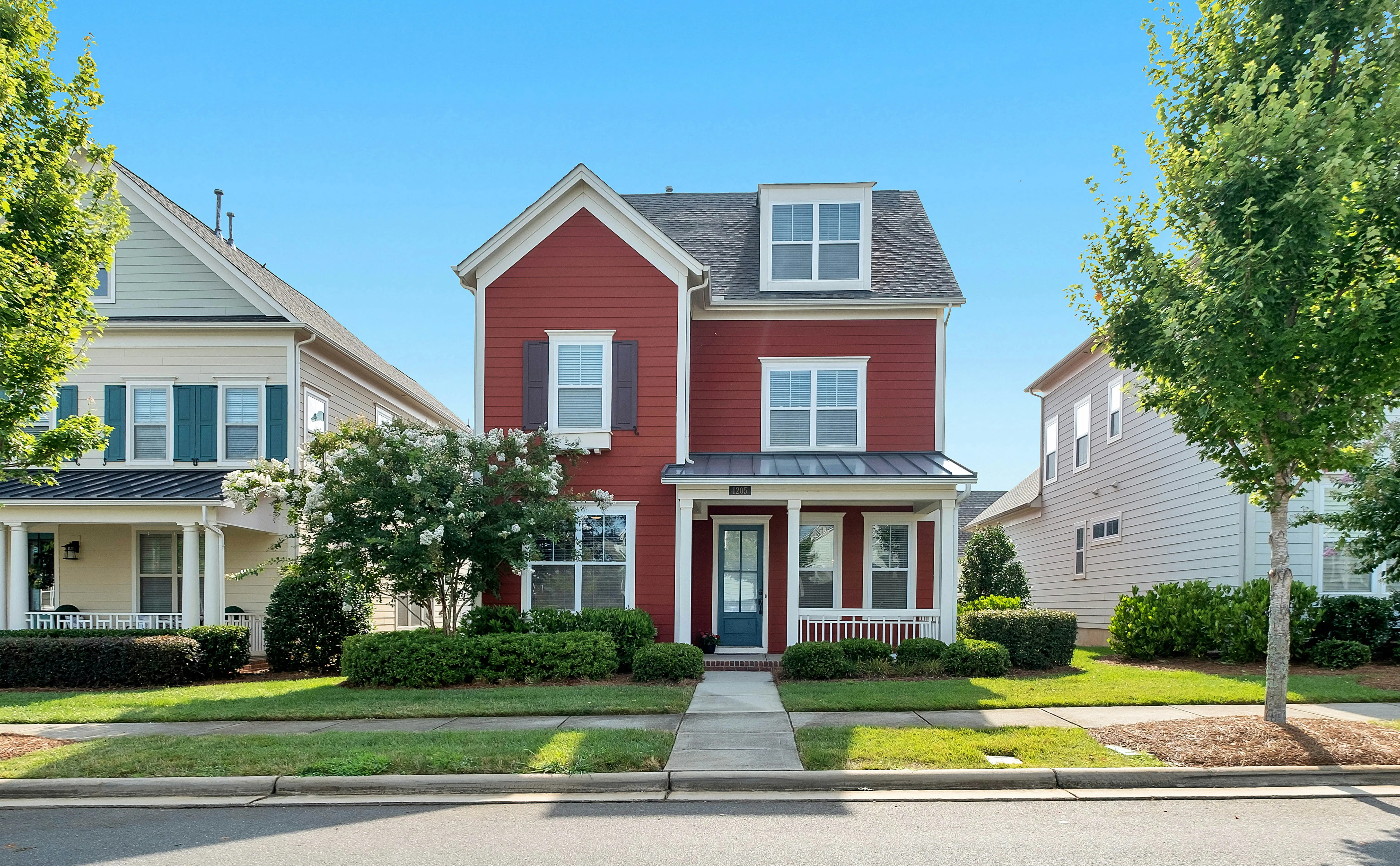
Debt Service Coverage Ratio (DSCR) Loans
A Commercial Loan, commonly called a Debt Service Coverage Ratio (DSCR) Loan, supports the acquisition or refinancing of investment properties. The central metric for these loans is the DSCR, which measures a property’s ability to generate sufficient cash flow to exceed its debt obligations.
This ratio is calculated by dividing the property's annual net operating income (NOI) by its annual mortgage debt service, including interest and principal. A DSCR of 1.25 or higher for STR properties signals that the rental income surpasses debt obligations by at least 25%, offering a cushion against potential vacancies or unforeseen expenses. AirDNA’s Rentalizer™ is an Airbnb profit calculator that you can use to evaluate a property’s earning potential.
Key factors such as the stability of rental income, property valuation, and the specific terms of the loan (like interest rates and amortization periods) play pivotal roles as they directly affect the DSCR.
Additionally, lenders may consider the investor’s expertise in property management and the local STR regulatory environment, which can impact the profitability of the investment.
Ideally Suited For:
- Investors Seeking to Maximize Income: Particularly beneficial for those aiming to capitalize on properties with high rental yield potential and consistent occupancy rates within the STR market.
- Experienced STR Investors: Best suited for seasoned investors who have demonstrated success in managing STR properties efficiently and navigating the complexities of the STR market.
Key Considerations:
- Rigorous Financial Assessment: A detailed analysis of rental income and operational expenses is essential to ensure the property meets or exceeds the required DSCR. This analysis can apply to historical data or future projections, which AirDNA can help with.
- Regulatory Compliance: Investors must be well-versed in, and compliant with, local STR regulations, which vary widely and can affect whether the vacation rental is legal and profitable.
- Property Management Experience: Lenders often favor borrowers with proven property management experience in the STR sector, as this experience greatly reduces the perceived risk and makes successful loan repayment likelier.

Hard Money Loans
Hard money loans offer real estate investors specialized short-term financing by using the property itself to secure the loan. The “hard” in hard money refers to the tangible asset that backs the value of the loan. Also known as bridge loans, they’re often used to help finance one property while preparing to sell another.
Hard money loans are funded by private investors or companies rather than traditional banks. These loans have the advantage of rapid approval and funding processes, which are crucial when quick access to capital is necessary.
Ideally Suited For:
- STR Investors Facing Tight Deadlines: Ideal for investors who need to complete renovations and start generating rental income quickly, typically in markets where demand spikes seasonally.
- Fixer-Upper Properties: Best for acquiring and transforming properties that require extensive updates to meet STR standards, facilitating a rapid turnaround and entry into the rental market.
Key Considerations:
- High Cost of Borrowing: Rental property investors should be aware of the higher interest rates and closing costs, which can impact the overall profitability of their investment projects.
- Short Repayment Period: The duration of these loans are typically short, ranging from 6 to 24 months. This requires investors to have a clear and immediate exit strategy to manage the financial risk associated with the principal repayment due typically at the end of the loan term.
- Exit Strategy: For flippers, make sure your projected sale price (after repairs) leaves enough room to cover the loan balance and all associated costs. Keeping a conservative Loan-to-Cost (LTC) or Loan-to-Value (LTV) ratio can help reduce risk. If you’re planning to keep the property as a rental, have a refinancing plan in place before you even close on the hard money loan.
Getting prequalified for a long-term option—like a conventional mortgage, VA loan, or DSCR loan—can give you confidence that your exit strategy is realistic.
Here’s a quick glance at what lenders typically look for in a refinance:
- Conventional & VA loans focus on your credit score, income, debt-to-income ratio, and available equity. VA loans also require you to live in the home (at least initially), so full-time STRs may not qualify.
- DSCR loans (short for Debt Service Coverage Ratio) are based on how much income the property generates, not your personal finances. Tools like AirDNA’s Rentalizer can help you estimate potential earnings.
"By planning ahead and securing a viable exit strategy," says Daniel Ramirez of Host Financial, "investors can avoid financing pitfalls and maximize profitability when transitioning from short-term hard money loans to long-term debt solutions."
House-Hacking Loans
FHA Loans
Federal Housing Administration (FHA) loans, typically designed for primary residence purchases, also offer substantial opportunities for real estate investors targeting the STR market.
FHA loans are attractive due to their lower down payment requirements—3.5% for those with minimum credit scores of 580 or higher and 10% for those with scores between 500 and 579. They also feature competitive, potentially adjustable interest rates, although they require both upfront and annual mortgage insurance premiums.
Ideally Suited For:
- Investors with Lower Credit Scores: The more accessible minimum credit score requirement opens doors for a broader spectrum of investors.
- First-Time Real Estate Investors: The lower down payment and structured guidance on property standards make these loans particularly friendly for newcomers.
- Multi-Unit Property Investors: Those interested in "house hacking" by living in one unit and renting out others will find FHA loans ideally structured for such investments. FHA loans allow you to purchase multifamily complexes with up to four units.
Key Considerations:
- Mandatory Residency: Investors must occupy the property within 60 days of closing and live there for at least one year before renting it out. There are exceptions to this if you suddenly need to move or have a new family member, but the penalties are stiff if you fail to follow those requirements without extenuating circumstances.
- Additional Costs: The required mortgage insurance premiums can affect the overall cost of the loan, both at closing and over the life of the loan.
- Cash Reserves Property Standards: FHA may require investors to hold cash reserves sufficient to cover several months of mortgage payments. The property must also meet stringent safety, security, and soundness standards set by the FHA, which includes a mandatory appraisal.
- Property Standards: The property must meet stringent safety, security, and soundness standards set by the FHA, which includes a mandatory appraisal.

VA Loans
Veterans Affairs (VA) loans offer favorable terms specifically tailored for service members, veterans, and their families who intend to occupy their investment properties. Similarly to FHA loans, investors must live in the property for at least one year before renting.
VA loans facilitate 100% financing without requiring a down payment for primary residences, benefiting eligible borrowers who aim to minimize upfront costs while generating rental income from STRs.
Eligibility for a VA loan hinges on meeting specific service criteria and certifying that the property will serve as the borrower’s primary residence. Although perfect for financing personal residences, VA loans are not suited for investors that immediately want to generate revenue by using their new property as an STR.
Ideally Suited For:
- Veteran House Hackers: Service members must live in part of the multi-unit property they are purchasing, but they can rent out any remaining units immediately upon purchase.
- Primary Residence Investors: Veterans planning to occupy the property and wanting to leverage the no-down payment benefit to ease cash flow concerns.
Key Considerations:
- Occupancy Requirements: Borrowers must use the property as their primary residence for at least one year before renting, which restricts its use as solely an investment property.
- Navigating Loan Restrictions: Veterans interested in using a VA loan for mixed-use or house-hacking scenarios should consult with a VA-approved lender to ensure they meet all regulatory and occupancy requirements.

Loans for Property Owners
HELOC
A Home Equity Line of Credit (HELOC) is a flexible financial tool that allows real estate investors to tap into the equity of their current property to finance additional investments, such as short-term rental properties.
Unlike traditional loans, a HELOC provides a line of credit that investors can draw from as needed, up to a predetermined limit. During the draw period, borrowers typically have the option to make interest-only payments, which can help manage cash flow by minimizing initial outlays.
Ideally Suited For:
- Investors Seeking Flexible Funding: HELOCs are ideal for investors who need access to funds over a period of time rather than a lump sum at once.
- Short-Term Rental Owners with Existing Property Equity: Owners who have significant equity in one property and wish to leverage it to invest in additional properties or expand their rental offerings.
Key Considerations:
- Equity Requirements: Investors must have substantial equity in their property to qualify for a HELOC.
- Variable Interest Rates: The rates are typically variable and can fluctuate with changes in market rates, which could affect monthly payment amounts and overall financial planning.
- Impact on Cash Flow: It's crucial to analyze how the additional debt service will affect the property’s net cash flow, especially since monthly rental income must cover this new expense.

Cash-Out Refinance
Cash-out refinancing is a strategic financing option that allows real estate investors in the STR market to access the equity built up in their properties. By replacing an existing mortgage with a new, larger loan, the difference is provided in cash. This cash can then be used for property improvements, expanding the number of STR properties, or covering other investment-related expenses.
The terms of a cash-out refinance typically range from 15 to 30 years, with the maximum loan amount usually capped at 75% of the property’s current appraised value. Lenders generally require that the property has been owned for a specific period before approving a cash-out refinance.
Ideally Suited For:
- STR Investors Looking to Expand or Upgrade: Ideal for those aiming to reinvest in their current STR properties or expand their portfolio with additional properties.
- Investors with Substantial Property Equity: Suitable for STR property owners who have accumulated significant equity and wish to leverage it to finance further STR ventures.
Key Considerations:
- Substantial Equity Requirement: The existing property needs to have appreciated in value or the mortgage has to be substantially paid down.
- Potential for Prepayment Penalties: Investors should be cautious of any prepayment penalties that could apply if the loan is paid off early, particularly if the refinancing strategy is intended for short-term financial restructuring.
- Cost vs. Benefit Analysis: It is crucial to carefully assess the potential increase in STR value and rental income against the costs associated with higher interest rates and fees from refinancing. This analysis will help ensure that the refinancing leads to a net positive financial outcome.

How AirDNA Can Help
AirDNA can be used by lenders to validate or assess income potential as they underwrite properties. How, exactly?
The AirDNA Airbnb Calculator allows you to estimate your rental income accurately. By comparing similar rental properties, our calculator makes extremely accurate assumptions on the earning potential for any address, anywhere in the world.
The loan underwriter, i.e. the financial expert who assesses risk factors and ultimately recommends you for the loan, can use this information to verify whether a property’s revenue potential can support the loan terms. This assessment is particularly relevant to DSCR loans, which take into account the income-earning potential of a property.
Choosing the Best Loan for Your Investment Property
Choosing the right loan for your rental investment property involves more than just reading the fine print on these loans.
You must consider your investment strategy and return on investment (ROI). Our guide to short-term rental financing outlines how to assess the current economic climate and develop a financing roadmap.
You’ll also want to check out this podcast on acquiring your loan when you’re ready to take the leap. Remember, there’s no one best loan for an investment property, just the best for the goals you have in mind.
ARTICLE SUMMARY
AirDNA presents the best loans for investment properties, including conventional mortgage loans, DSCR loans, and more. With the ideal loan that matches your goals, you can confidently tackle the complexities of the short-term rental market and optimize your investment prospects.
Bram Gallagher
AirDNA Director of Economics and Forecasting
Bram Gallagher is an Economist at AirDNA, specializing in uncovering insights that drive smarter short-term rental decisions. He put his Ph.D. in Economics from the University of Georgia to work researching and forecasting hotel data with CBRE prior to joining AirDNA, as well as teaching economics at a number of universities. In his spare time, Bram enjoys making wooden furniture with hand tools.
