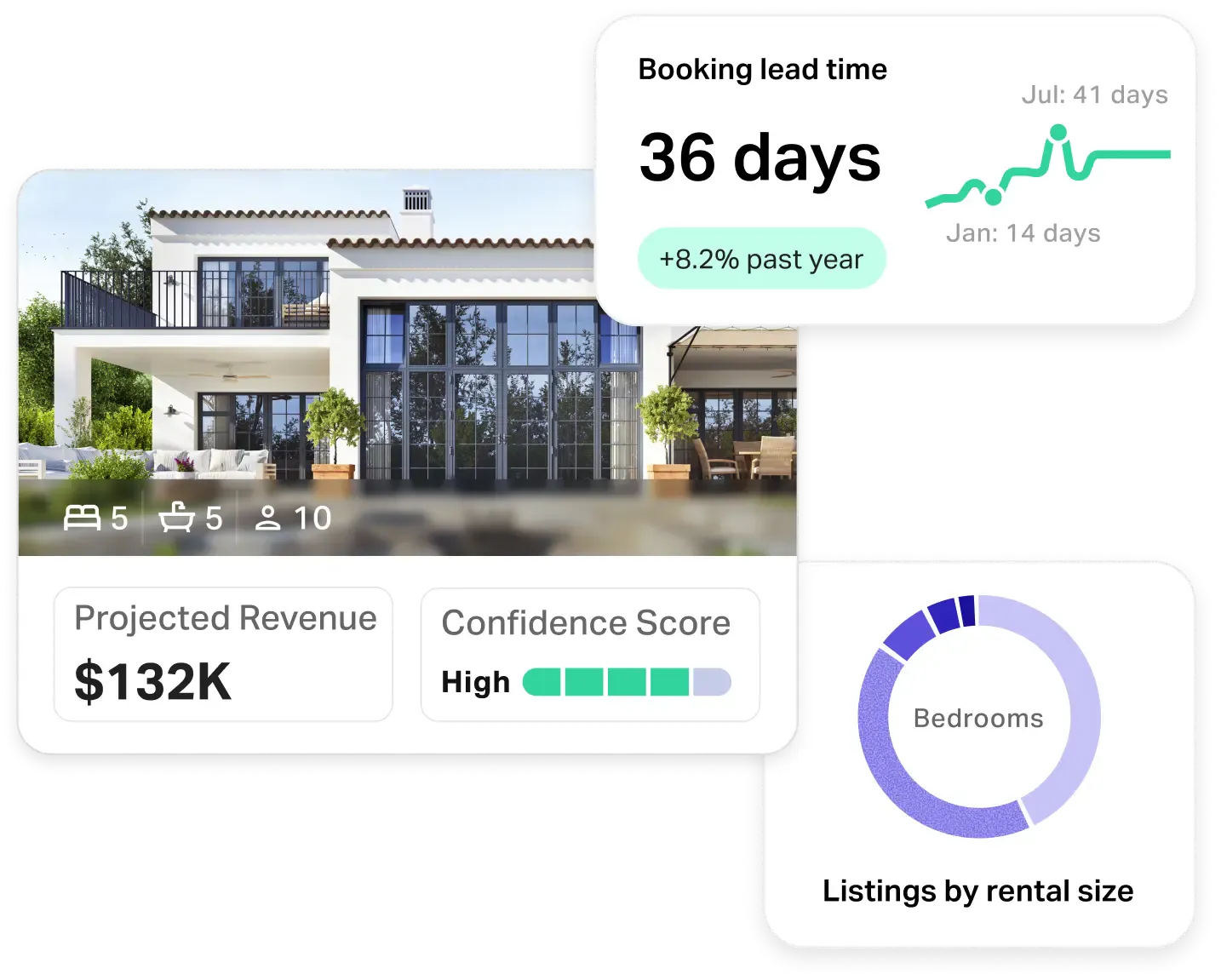
Calculate Revenue
 Research Markets
 Find For Sale Properties
 Compare My Listing
 STR Revenue Calculator
 Custom Comp Sets
 Submarket Insights
 Custom Search Filters
 Rate Recommendations
 Performance Benchmarking
 Competitor Comparison
 Owner Contact Details
 Property-level performance data
 Tourism Insights
 Real Estate Investment Analytics
 About Us
 Sales
Sales Support
 Press
PressDiscover Your World Cup 2026 Earning Potential

Enter your address to see how much you could earn hosting on Airbnb during the biggest sporting event in history.
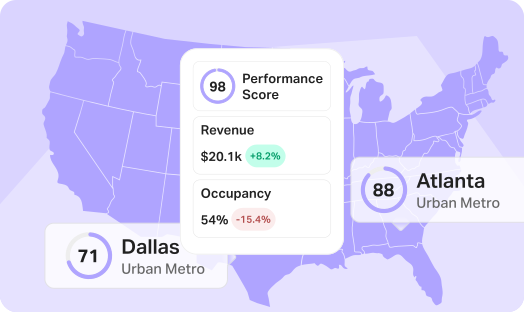

Visit Our City by City Guides




Frequently Asked Questions About Airbnb World Cup Earnings
World Cup earnings depend heavily on your specific property. Location, home size, proximity to stadiums, and availability all play a major role in determining World Cup Airbnb prices. AirDNA data shows that the 2026 World Cup is driving sharp increases in short-term rental demand and nightly rates in host cities,with some hosts set to earn thousands of dollars over the tournament. However, there’s no universal average. Performance varies widely from one home to the next. That’s why the best way to understand your potential World Cup earnings is to estimate them at the property level. AirDNA’s World Cup calculator uses real short-term rental data to show what your home could earn during the event.
It depends on the city, the specific match, and your property. In many Airbnb World Cup 2026 markets, hosts can earn significantly more than a typical month. According to AirDNA’s World Cup short-term rental dashboard, year-over-year booked rates during World Cup dates are commonly 10–90% higher than the same dates last year, depending on the host city and match round. When looking at available nightly rates, the difference is even more pronounced, often ranging from 50–250% higher as hosts set prices for peak demand. These market-level trends show what’s happening in each city and around each game. The next step is using AirDNA’s World Cup calculator to understand what those percentage increases mean in actual dollars for hosting World Cup fans in your home. Calculator estimates are based on your address, bedroom count, and local demand patterns.
World Cup pricing varies widely by city, match round, and property type, but hosts are generally charging well above normal seasonal rates. AirDNA analysis shows that in host markets, nightly rates tend to climb as match dates approach. The biggest premiums appear around knockout-stage games and weekends with multiple matches. In many cities, available nightly rates during the World Cup are 50% to well over 100% higher than typical summer pricing, reflecting both limited supply and intense fan demand. That said, the most successful hosts don’t simply set the highest price—they adjust dynamically based on booking pace, match importance, and how close they are to stadiums and transit. Because pricing ranges can be so broad, the best way to understand what hosts are charging for a property like yours is to combine market-level trends with a property-specific estimate. AirDNA’s World Cup calculator helps translate broader pricing patterns into realistic earning potential for your home.
For many homeowners, yes. Renting out your home during the World Cup can unlock meaningful short-term income, even if you only host for a portion of the tournament. In some host cities, earnings from just a few high-demand match weeks can help offset or fully cover costs like permits, professional cleaning, insurance, or the expense of staying elsewhere while your home is booked. It’s important to weigh a few factors: local regulations, your comfort level with hosting, and how much effort you want to put into preparing your space. For hosts who plan ahead, the upside can be substantial. World Cup earnings can be used to cover a year’s mortgage payments, fund a renovation, pay down debt, or finance a vacation. Because the payoff varies by city and property type, the best way to decide if it’s worth it is to estimate what your home could earn. AirDNA’s World Cup calculator helps you see whether the potential return outweighs the costs for your specific situation.
Yes, and in some cities, local rules are being adjusted to let homeowners rent their homes or rooms specifically for the World Cup without committing to a long-term short-term rental business.
For example, in Kansas City, officials have created a special event short-term rental permit that lets hosts operate during the World Cup period (typically May 3 – July 31, 2026) for a reduced fee compared to the standard annual permit. Hosts who qualify and pay the one-time permit price—currently $50 instead of the usual $200 annual registration —can list their property on platforms like Airbnb or Vrbo just for that event window. This type of opportunistic hosting makes it easier for residents in host cities to participate without a full-year commitment. Other cities in the region are also exploring temporary rule changes to expand short-term rental access for World Cup visitors.
Keep in mind that even temporary hosting still requires compliance with local zoning, safety, and tax rules. Not all cities will offer a special event permit option. Checking with your city’s short-term rental office before listing is essential.
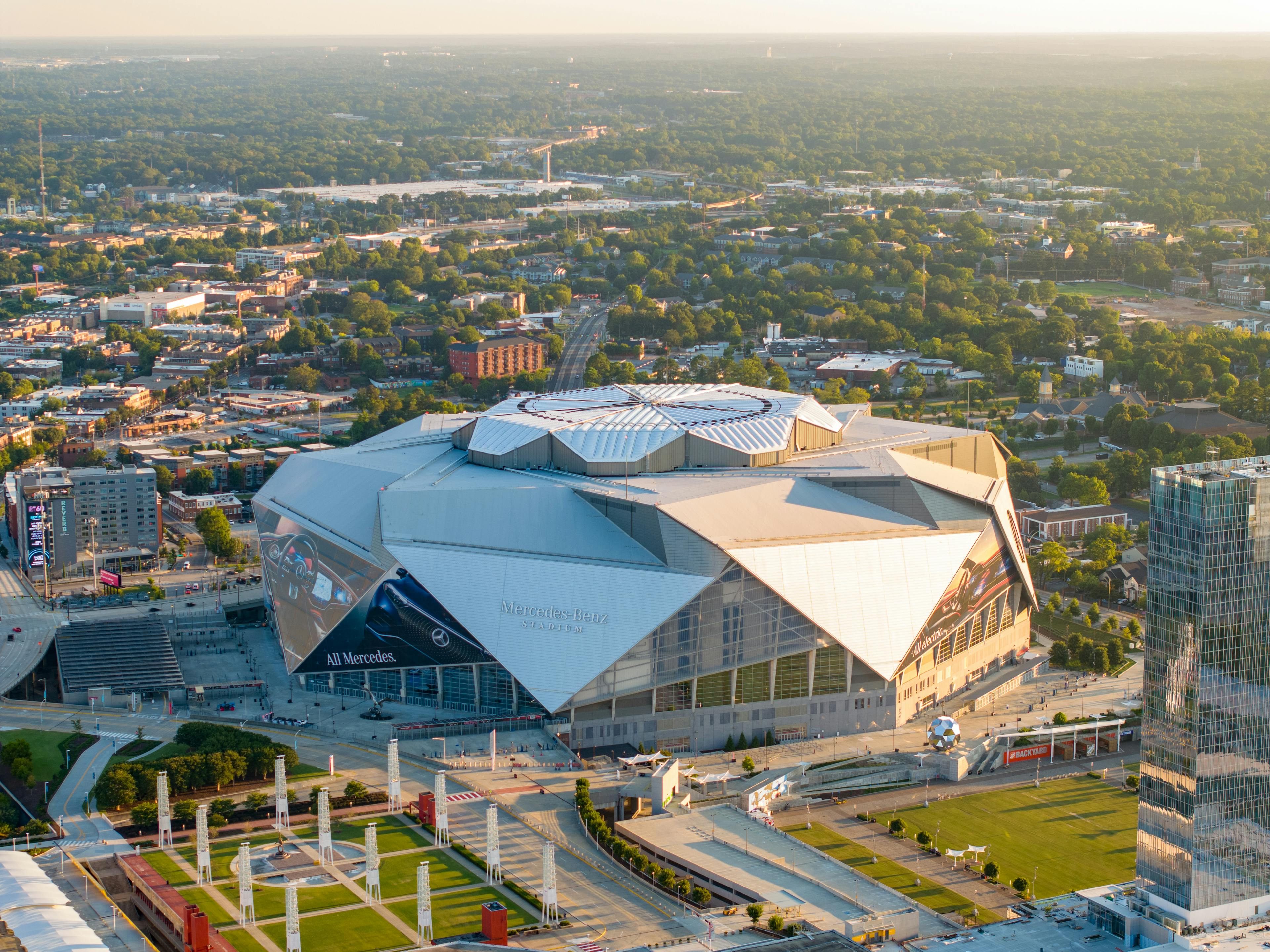
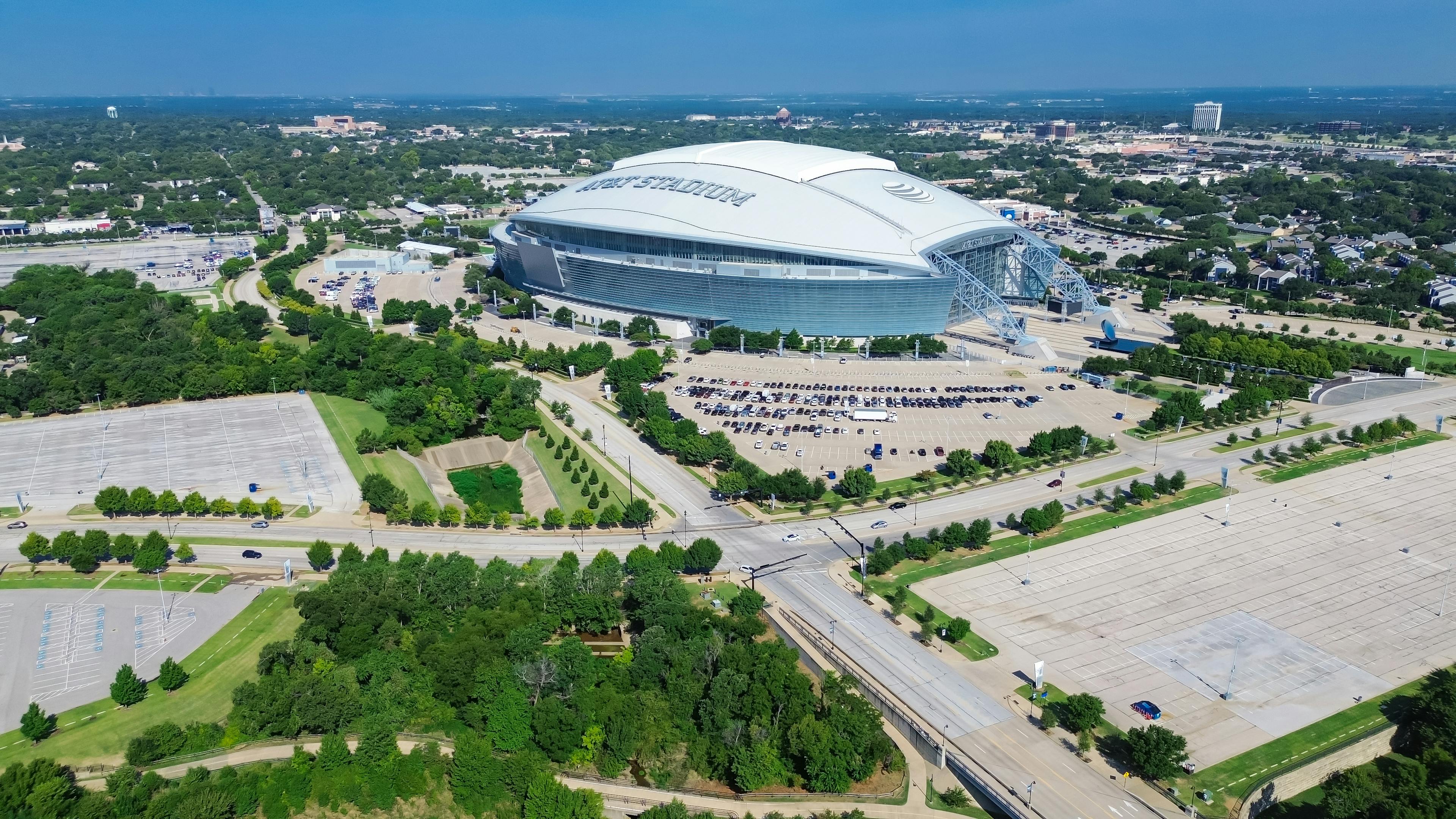
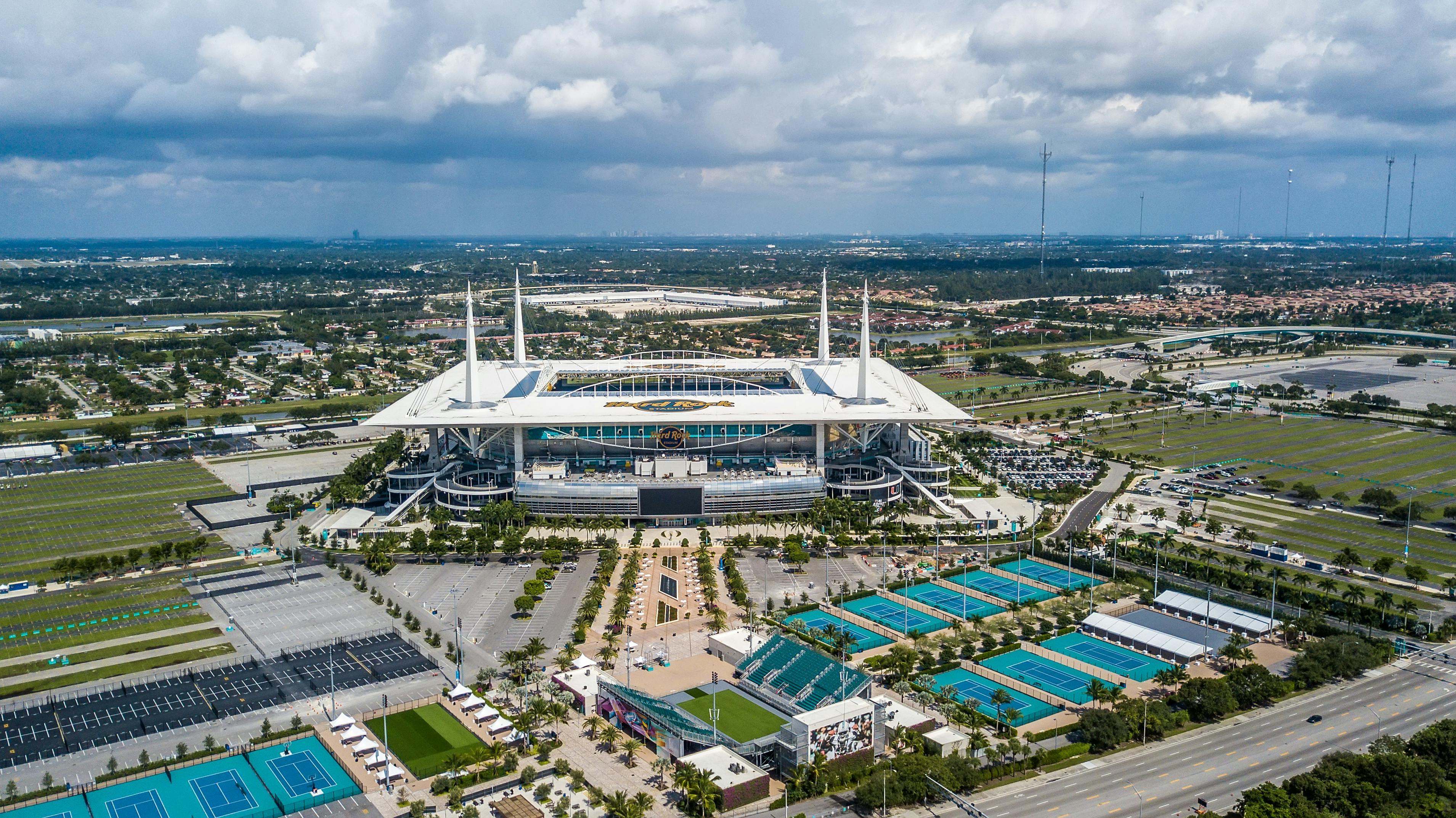
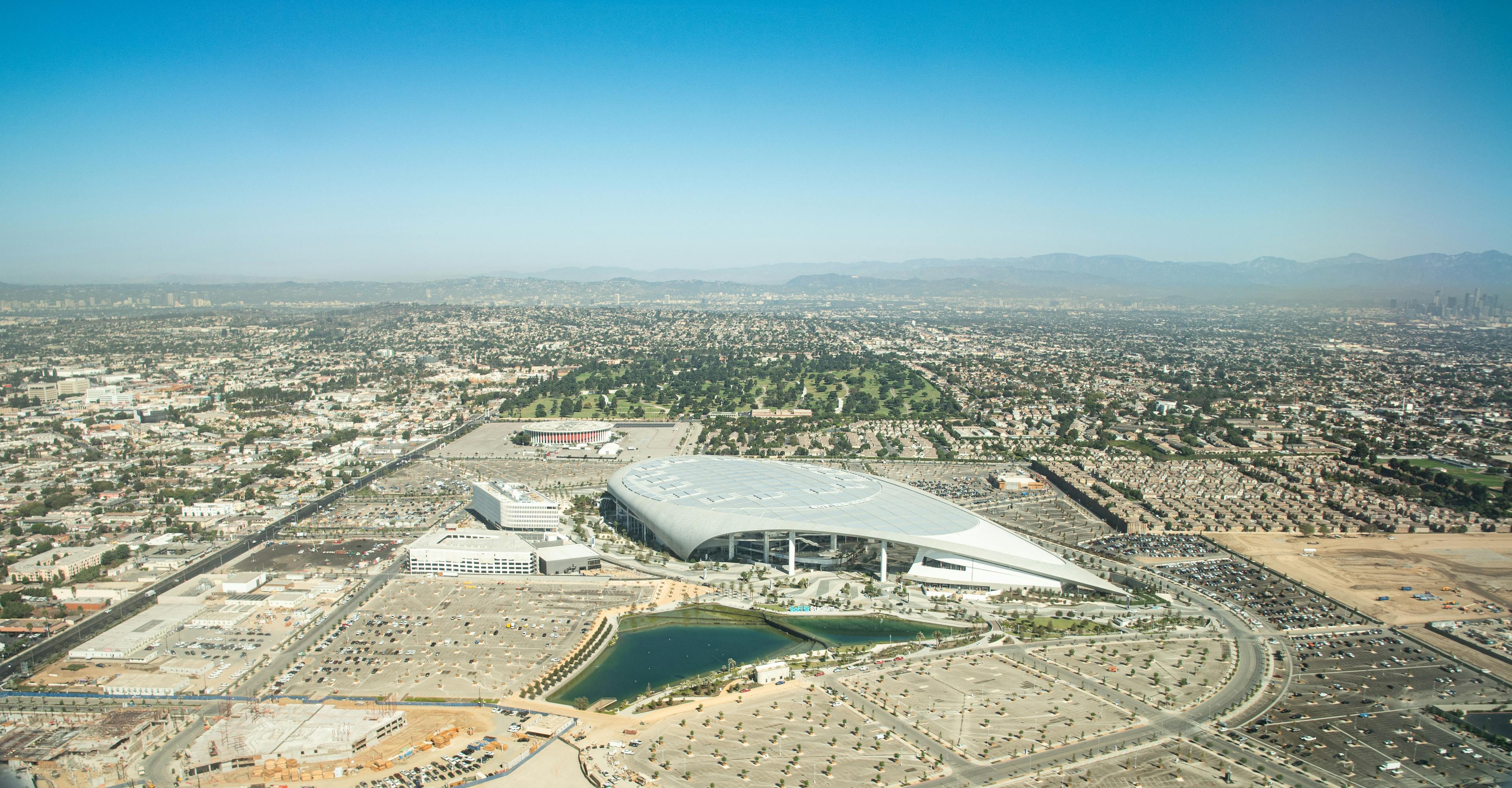
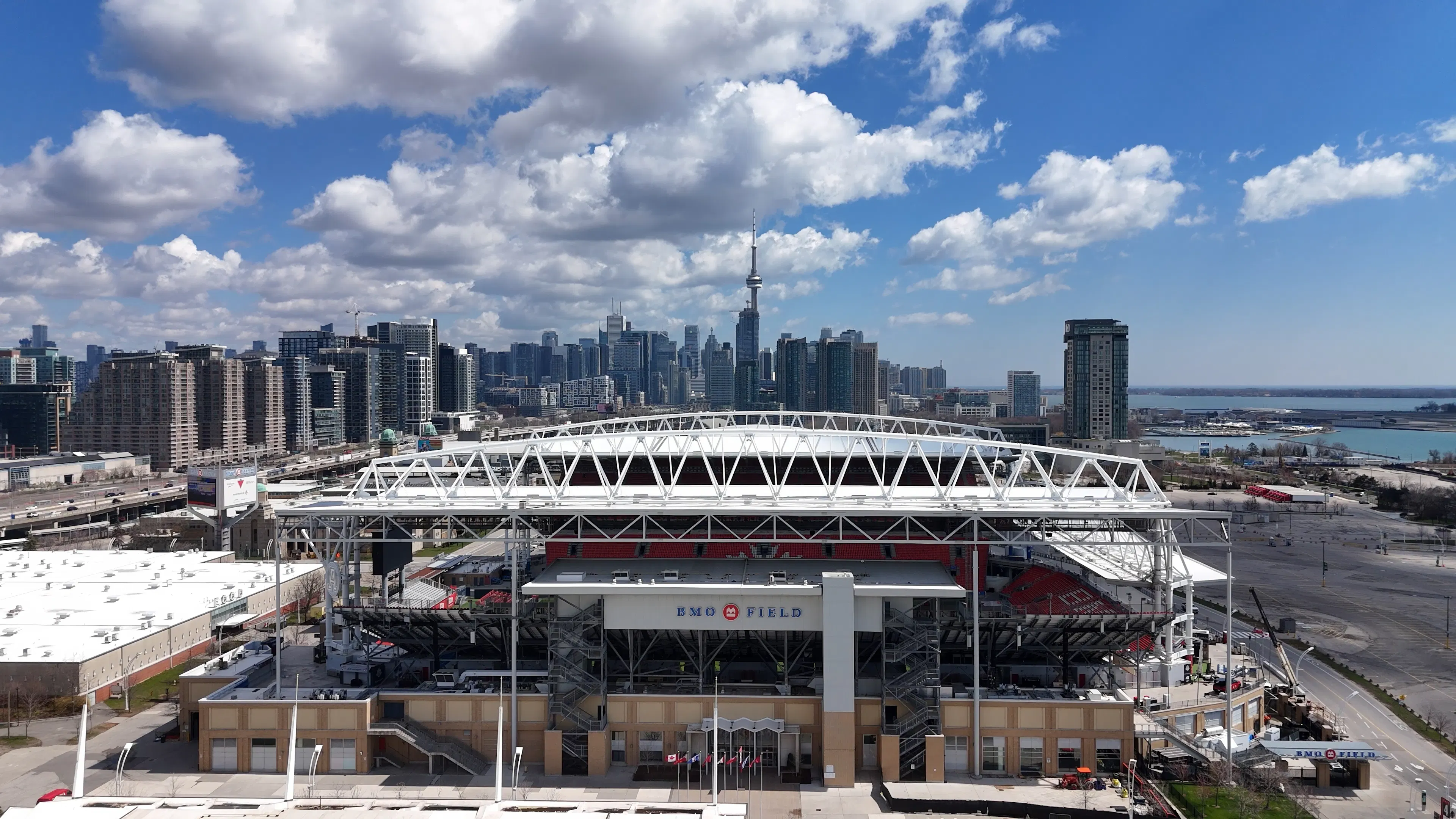
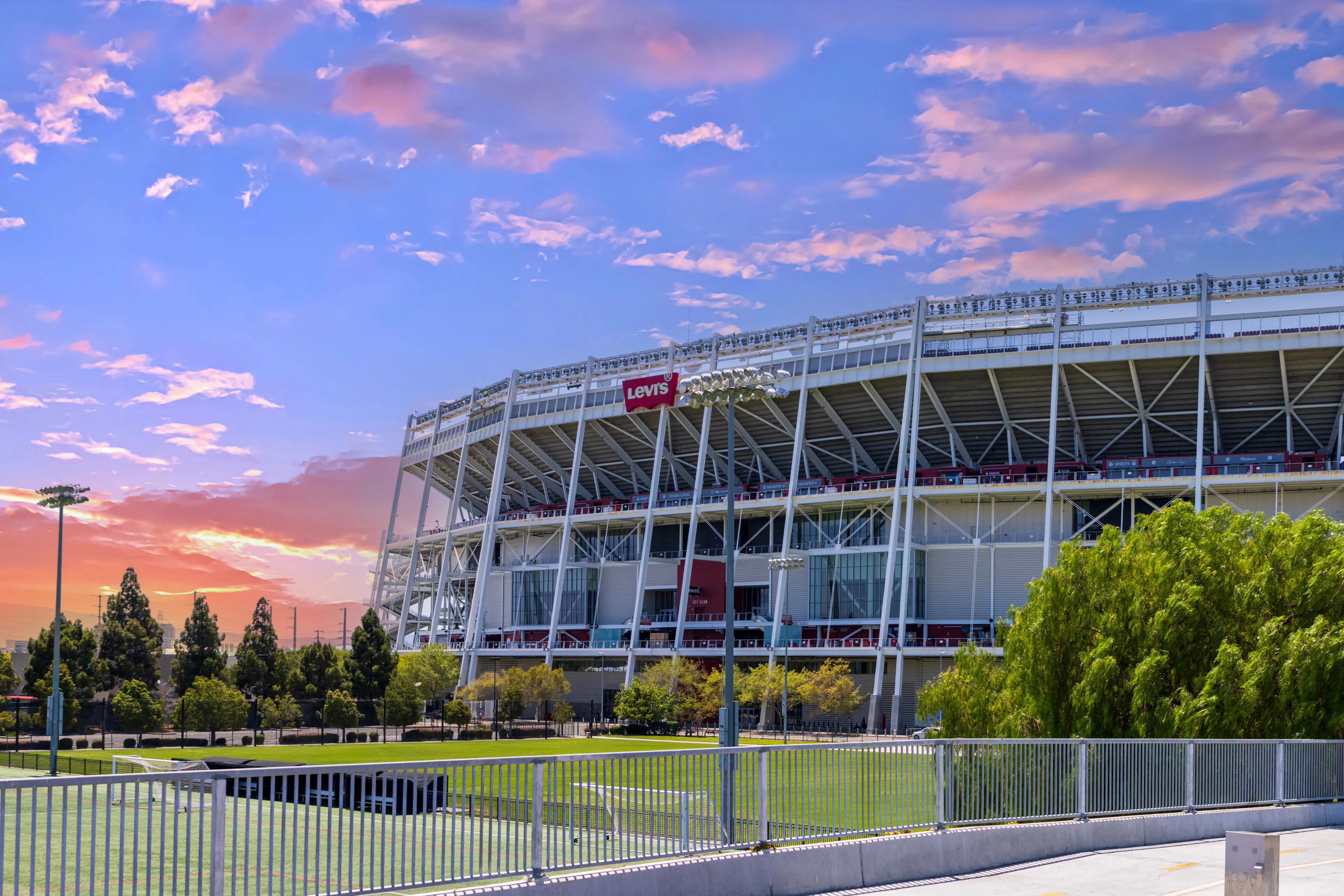
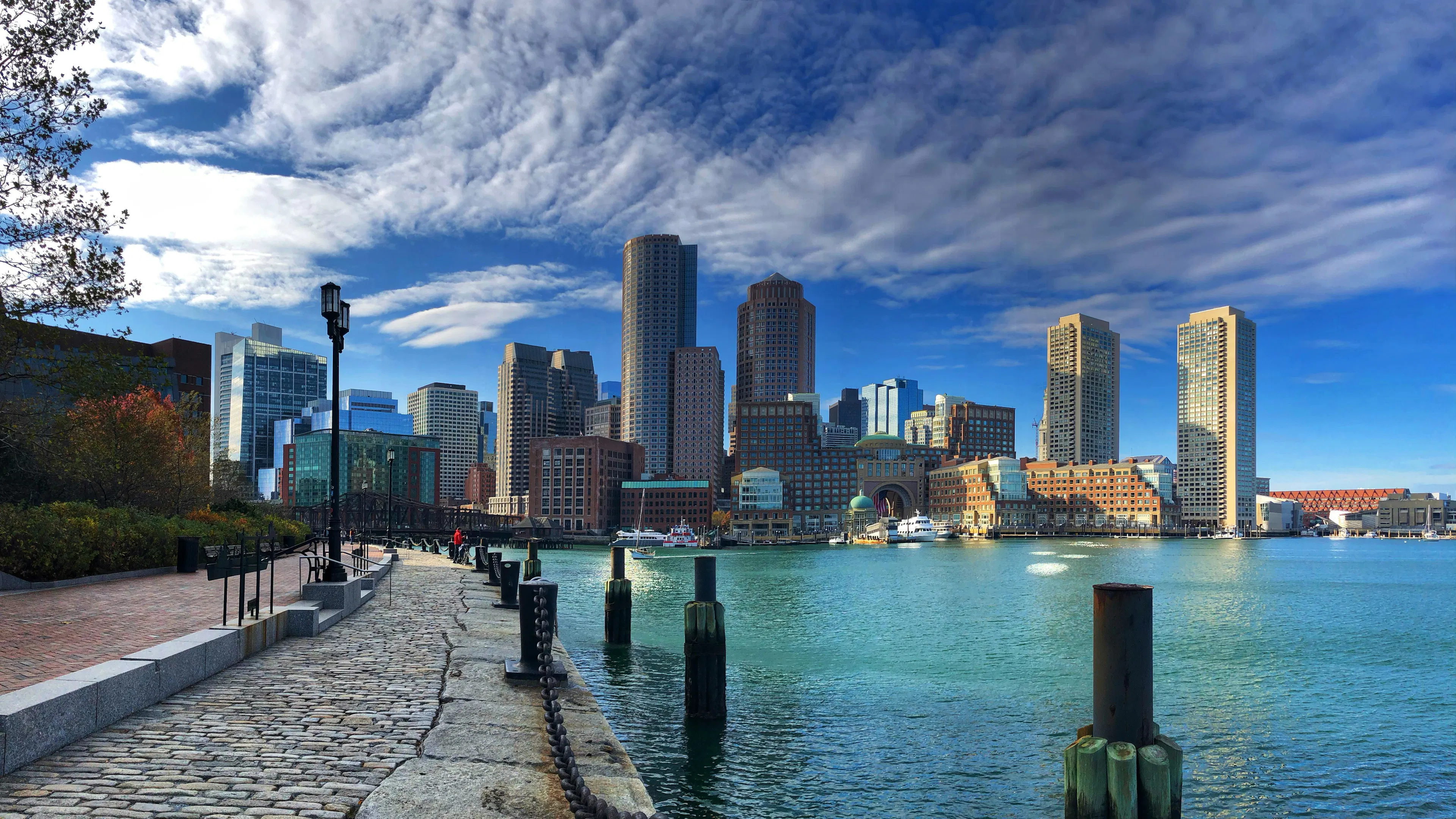
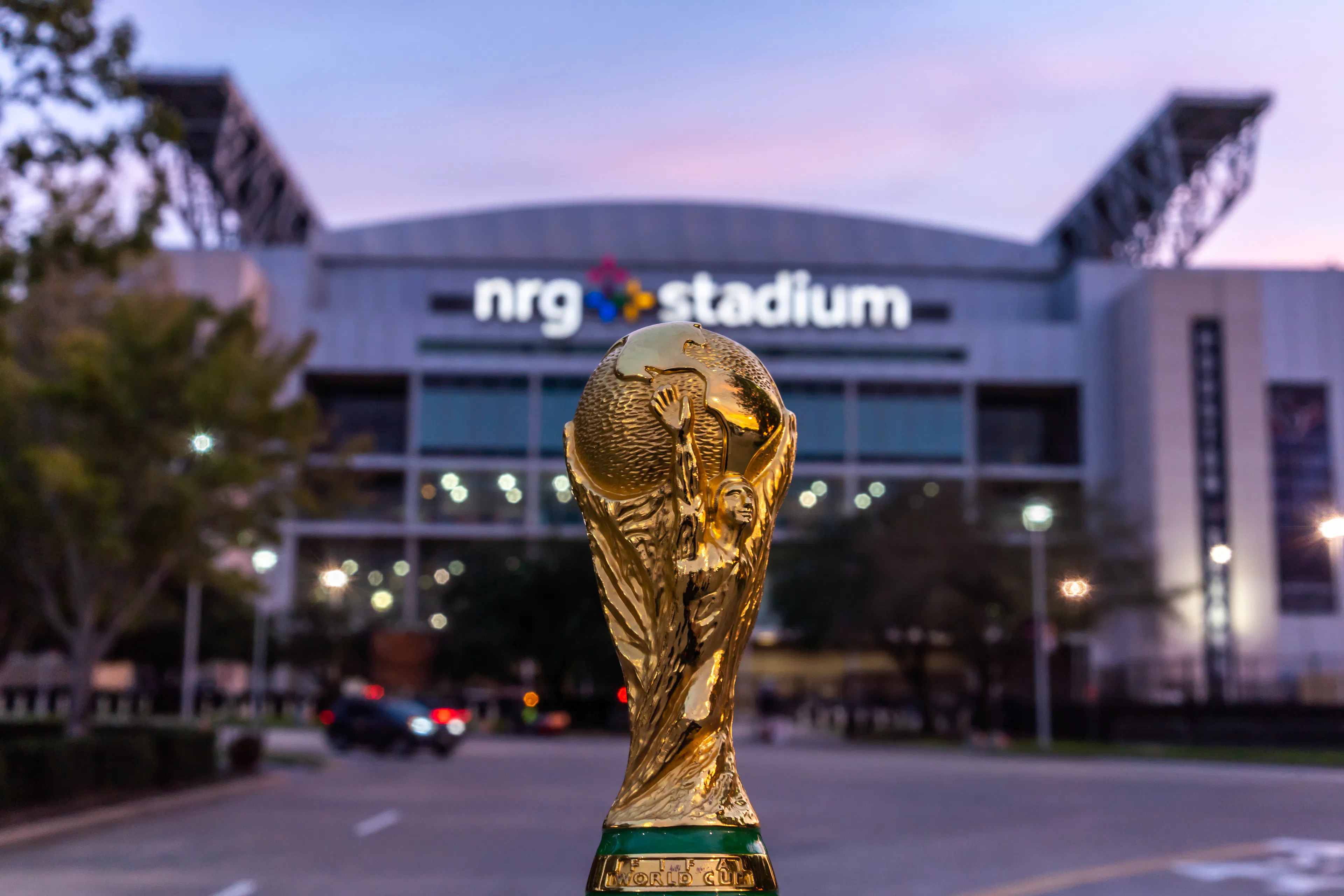
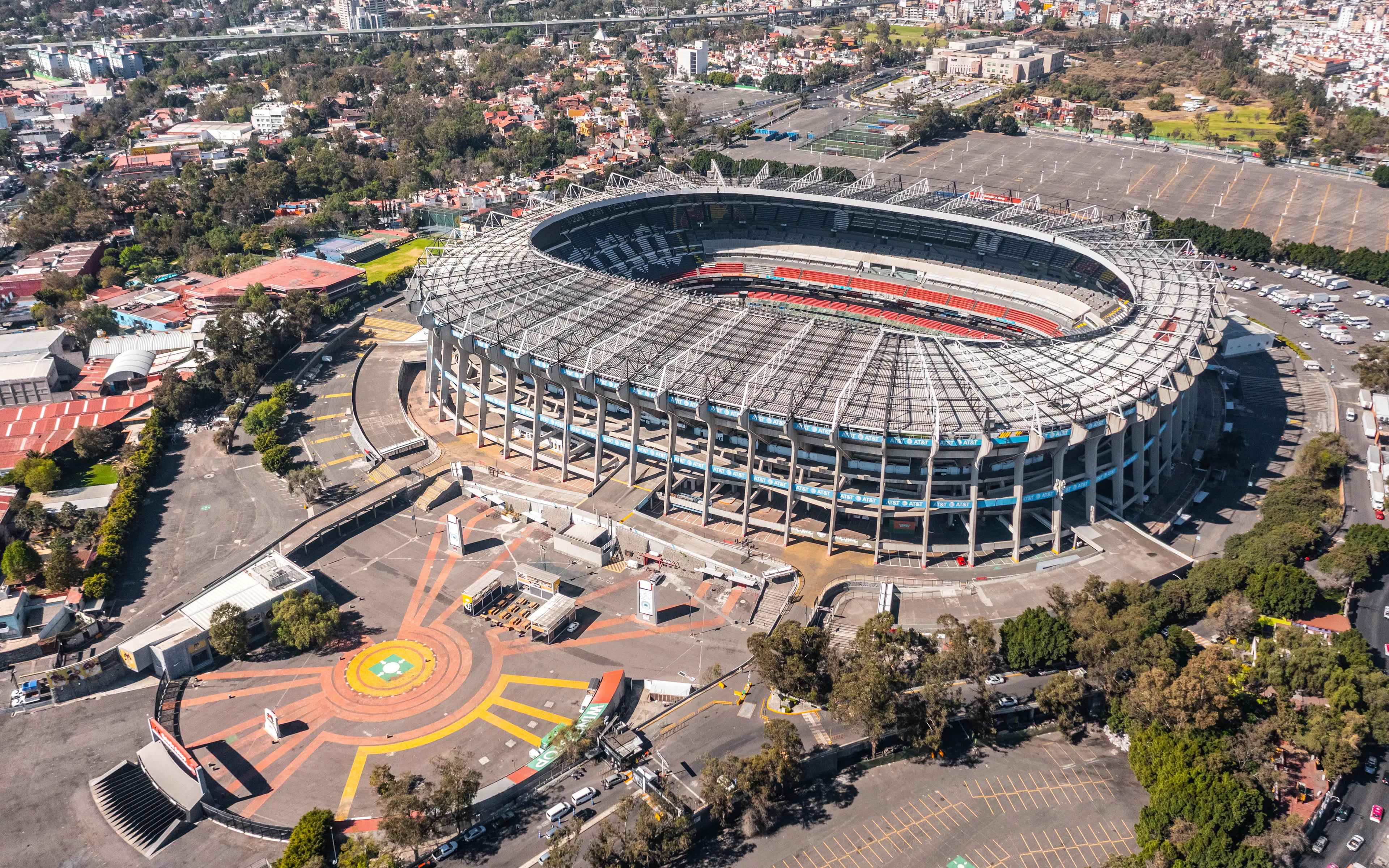
The 2026 FIFA World Cup will be hosted across 16 cities in three countries. In the U.S., the host cities are Atlanta, Boston, Dallas, Houston, Kansas City, Los Angeles, Miami, New York/New Jersey, Philadelphia, San Francisco Bay Area, and Seattle. In Canada, Toronto and Vancouver will host World Cup matches. In Mexico, host cities include Mexico City, Guadalajara, and Monterrey. World cup locations are expected to see the strongest short-term rental demand during the tournament, especially around match dates and knockout rounds.
Yes, location is one of the biggest drivers of World Cup earnings. AirDNA analysis shows that supply-constrained host cities tend to see the largest pricing upside, as intense demand collides with limited short-term rental inventory. In these markets, competition for fewer FIFA world cup 2026 accommodation options (hotels and short-term rentals) pushes nightly rates higher for available homes, especially around marquee matches and knockout rounds.
The five markets with the highest occupancy rates across game days and game eves as of early February are Seattle, Guadalajara, Boston, Vancouver, and Kansas City. Compared to larger markets such as Los Angeles and Miami, these host cities have less than half the available hotel and short-term rental inventory.
Within a host city, where you’re located matters too. Properties closer to stadiums, major transit lines, and fan zones often command higher rates and book earlier than listings farther out. That’s why two homes in the same city can perform very differently during the tournament.
To see how demand and nightly rates vary by city and by neighborhood, explore AirDNA’s World Cup short-term rental dashboard, which breaks out year-over-year changes at the submarket level. Then, use the World Cup calculator to translate those market trends into estimated dollar earnings for your specific property.
As early as possible. World Cup travel is often planned farther in advance than typical trips, especially once match-ups are announced. Making your place available early allows you to capture early demand from fans who want to lock in accommodations near stadiums or transit.
That said, not all demand arrives at once. Some matches—especially those determined by group stage and knockout rounds—won’t be confirmed until closer to the tournament. Hosts who perform best keep their calendars flexible, watch which games their city is hosting, and adjust availability and pricing as teams are determined and fan interest spikes.
Airbnb prices typically rise in waves during the World Cup. Rates often increase once the schedule is released, then jump again as specific match-ups are confirmed and fans know their teams are playing.
Cities hosting high-profile games—such as knockout rounds or matches involving popular teams—tend to see the sharpest price increases, particularly in neighborhoods close to stadiums and major transit routes. Prices can also surge suddenly when group stage outcomes determine who advances and where they’ll play next.
The most successful hosts don’t set one price and forget it. They price in anticipation of these decision points, adjusting rates as demand becomes clearer. Tools like AirDNA’s World Cup dashboard help hosts track when and where pricing pressure is building, while the World Cup calculator shows what those changes could mean for your specific property.
For guests, the best Airbnb rentals during the FIFA World Cup 2026 are typically homes that are well-located, easy to access, and designed for game-day comfort. Properties near stadiums, public transit, or official fan zones tend to book fastest, especially for knockout-stage matches. Entire homes work well for groups traveling together, while private rooms can be a more affordable option for solo travelers or short stays.
For hosts, making your home one of “the best” rentals comes down to the guest experience, of which location is only a part. AirDNA’s city-specific World Cup hosting guides highlight what successful hosts do differently: clear check-in instructions, reliable Wi-Fi and streaming for matches, thoughtful local recommendations, and amenities that make it easy for fans to enjoy both game days and rest days.